Green Fodder for Sustainable Livestock: Capacity Building and Campaign on SDGs in Rusizi, Rwanda
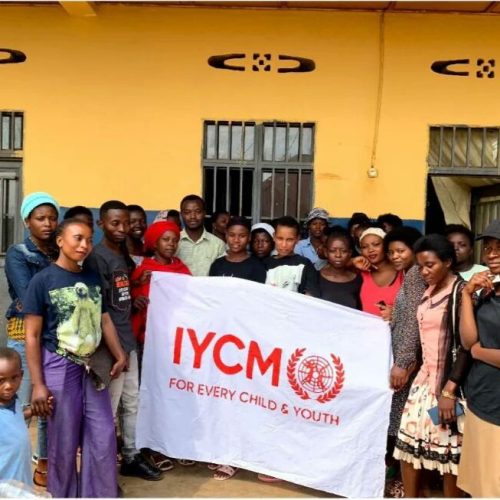
Today, we successfully concluded our project as planned, with 30 beneficiaries actively
participating in our capacity-building and awareness campaign. The attendees, comprising youth,
teen mothers, and children, engaged enthusiastically with our team, asking insightful questions
about sustainable livestock farming and related topics. Our team responded comprehensively to
all inquiries, ensuring that the participants left with a clear understanding of the subjects
discussed.
Key Activities:
- Training Sessions: We conducted detailed training on sustainable livestock farming practices,
including hydroponic technology, biogas production, and value addition techniques. Participants
learned about efficient resource utilization and the benefits of environmentally friendly livestock
farming. - Workshops on Value Addition: Workshops focused on livestock processing, quality
standards, agribusiness, and entrepreneurship. Participants gained theoretical knowledge on how
to add value to livestock products, enhancing their marketability. - Nutrition Campaigns: We promoted healthy nutrition choices, emphasizing the nutritional
benefits of livestock products, particularly for early childhood development. - Public Awareness Campaigns: Our team highlighted the importance of sustainable practices
and the nutritional advantages of livestock products for community health and well-being.
Conclusion:
In conclusion, while we are proud of the impact we achieved today, it is evident that our
community deserves more extensive support. To scale our project and reach a larger audience,
we require additional financing. We envision more people engaging in livestock farming as a
viable means to combat poverty, malnutrition, and food insecurity. We are confident that with
adequate resources, our project can significantly contribute to the sustainable development of our
community.
Future Directions:
Expand Training Programs: Increase the frequency and reach of our training sessions
to cover more regions and involve more participants.
Enhanced Support for Participants: Provide continuous support and resources to
participants as they implement what they have learned.
Seek Funding: Actively pursue funding opportunities to scale the project and amplify its
impact.
Promote Community Engagement: Encourage more community members to enter the
livestock business by demonstrating its potential benefits